Can a Shelter Dog Become a Service Dog? Choosing a Candidate in Alabama
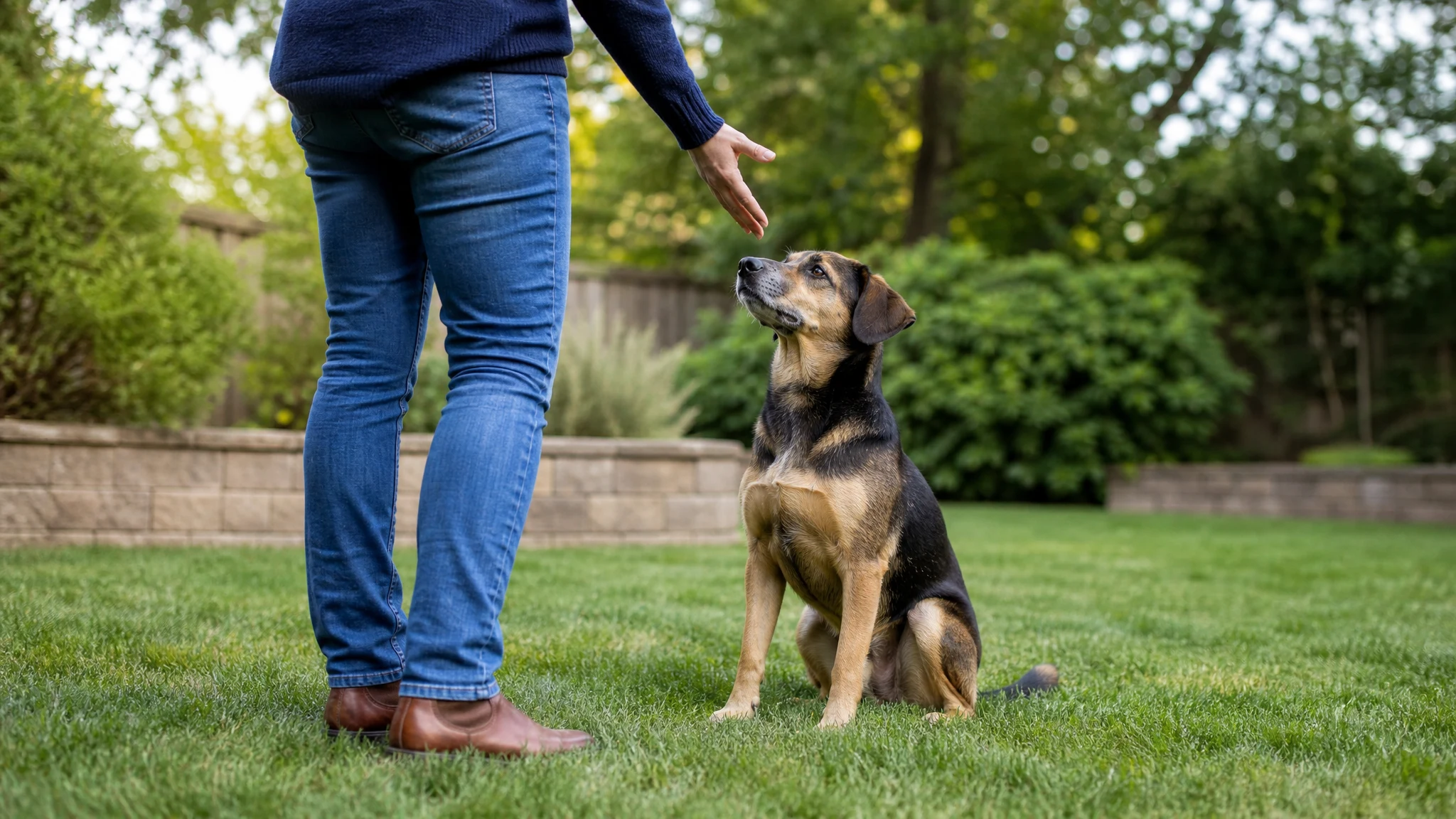
This page explains the law in general terms. It is not legal advice. For a specific situation, contact the agency listed on this site or an attorney.
Yes, a shelter dog can become a service dog in Alabama. The Americans with Disabilities Act (ADA) defines a service animal by training, not by where the dog came from: a dog individually trained to do work or perform tasks for a person with a disability. The harder question is whether a particular dog is suited to the job.
Does Where the Dog Comes From Matter Legally?
No. Under 28 CFR 36.104, a service animal is any dog individually trained to do work or perform tasks for the benefit of a person with a disability. The definition says nothing about shelters, breeders or rescues.
The ADA.gov service animals FAQ also says the ADA "does not restrict the type of dog breeds." Alabama's definition in Ala. Code 21-7-1 likewise turns on the animal being trained to do work or perform tasks, and says it may not be a pet. See the breed restrictions guide for what that means in practice.
What Does a Candidate Need to Do the Job?
The sources used here give no temperament standard, so this list is this guide's suggestion. A candidate should be:
- Calm in new places. The dog recovers quickly from surprises.
- Interested in people without demanding attention. It can ignore strangers.
- Willing to work for rewards. Reward-based training, as the American Veterinary Society of Animal Behavior (AVSAB) advises, needs a dog that engages.
- Physically sound. A veterinarian should confirm health before any commitment.
- Capable of the specific tasks. The tasks must be directly related to the handler's disability.
How Do You Assess a Shelter Dog Before Choosing?
As a practical rule, spend time with the dog in more than one setting before deciding. Ask the shelter what it knows about the dog's history, and have a veterinarian examine the dog.
A certified behavior professional can assess temperament. Fear, reactivity or aggression is a reason to choose a different dog, and a behavior problem goes to a veterinarian plus a certified behavior professional. Training does not fix a poor match.
What Is a Candidate Checklist?
Use this checklist before bringing a dog home. It is this guide's suggestion, not a legal test.
- Has a veterinarian examined the dog and cleared its health?
- Does the dog stay relaxed around noise, crowds and handling?
- Does the dog recover quickly after something startling?
- Can the dog learn the tasks the handler needs?
- Is the handler ready for the time commitment?
- Is there a plan to stop if the dog turns out to be unsuited?
What Should You Ask a Shelter or Breeder?
These questions are this guide's suggestion. Ask how the dog has behaved with strangers, other animals, handling and noise. Ask whether the dog has any known health or behavior problems.
Ask what the organization knows about the dog's background, and what it will do if the dog proves unsuited. Treat missing answers as unknowns, not good news. A veterinarian should review any health records.
Does Age or Breed Decide Whether a Dog Can Work?
The sources used here give no age rule and no breed list, so this guide gives none. The ADA does not restrict breeds, which means a mixed-breed shelter dog is not disqualified on that ground. What matters is the individual dog: its health, its temperament and whether it can learn the tasks.
What Happens After You Choose a Candidate?
The dog still has to be trained before it goes into public places, and the ADA does not cover a dog that is still in training. Alabama gives the trainer the same access rights when the dog wears written in-training identification legible from 20 feet (Ala. Code 21-7-4(c), 21-7-6(b)).
For a dog being trained for a psychiatric disability, a course for psychiatric service dog candidates can give the first months a structure. The owner-train guide walks through the steps, and the public access test guide shows what to work toward.
What Rules Apply Once the Dog Works in Public?
Once trained, the dog must be under the handler's control.
A business may ask that it be removed if it is out of control and the handler does not act, or if it is not housebroken (28 CFR 36.302(c)). Documentation is not required, and Alabama makes it a Class C misdemeanor to knowingly and willfully misrepresent the use or training of a service animal (Ala. Code 21-7-4(h)).
What If the Dog Is Not Suited?
Stopping is a sound outcome, not a failure. A dog that is anxious or unreliable under pressure may be happier as a pet. The guide on signs a dog is not suited covers how to decide.
No dog is certain to qualify, and a shelter dog is no different. Pick for temperament and health first, and let the training build on that. The Alabama service dog training guide covers the wider path.
Questions
Can a Mixed-Breed Shelter Dog Be a Service Dog?
Yes. The ADA does not restrict dog breeds (ADA.gov), and the definition turns on individual training for tasks.
Can a Business Ask Where My Service Dog Came From?
No. Staff may ask only whether the dog is required because of a disability and what task it has been trained to perform (28 CFR 36.302(c)(6)).
Is a Service Dog in Training Covered by the ADA?
No. ADA.gov says the dog must already be trained, though Alabama gives the trainer access rights with written in-training identification (Ala. Code 21-7-4(c)).
Sources
- ADA.gov service animals FAQ
- 28 CFR 36.104
- Animal Legal & Historical Center, Alabama assistance animal and guide dog laws (Ala. Code 21-7-1, 21-7-4, 21-7-6)